
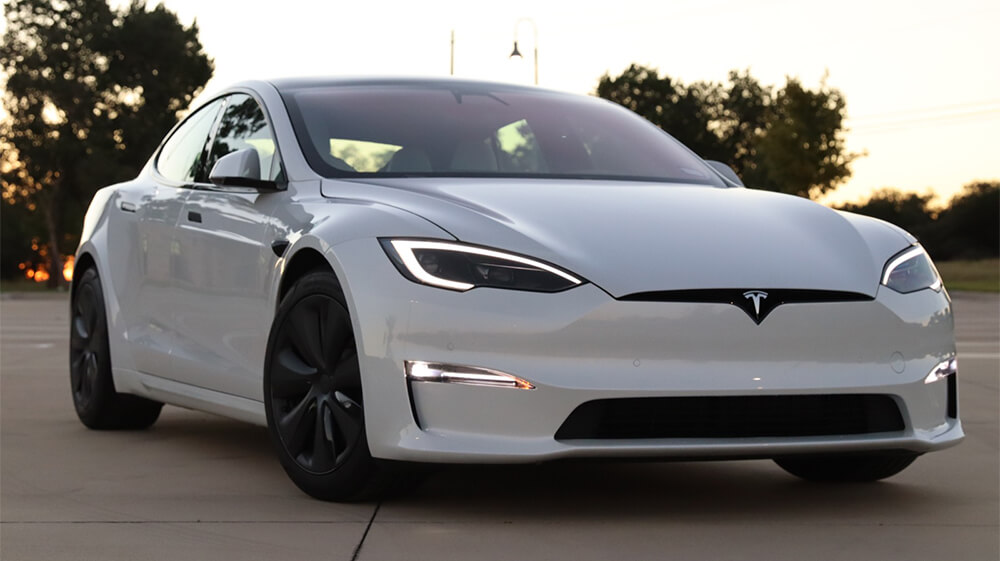
While you may have entirely valid reasons for trying to line up a buyer for your Tesla or EV on delivery day, there are a few snags you’ll probably run into if you try to sell too soon after delivery—or before delivery happens at all. If you want to avoid some major title, payment, tax, registration, and manufacturer-policy headaches, read on.
First, we’ll take a look at why getting your Tesla’s title matters, why trying to sell a Tesla or EV without a title can be difficult, and why reservation transfers are a different issue from selling a car you actually own. Then we’ll talk through safer best practices if you need to sell your Tesla or EV quickly.
Quick disclaimer: We are not Tesla, an automaker, or lender, and this article is general information only. It is not legal, tax, financial, insurance, registration, DMV, lending, or transaction advice. Vehicle title rules, registration requirements, sales-tax rules, manufacturer order agreements, reservation terms, financing terms, lease terms, payoff rules, and private-sale procedures vary by state and can change. Before selling, buying, transferring, exporting, financing, paying for, or listing a vehicle, review your actual purchase agreement, order agreement, reservation terms, title documents, loan or lease agreement, state DMV rules, tax obligations, insurance requirements, and any third-party service terms that apply. Do not use this article to bypass Tesla’s rules, any automaker’s rules, lender requirements, DMV requirements, tax rules, or title transfer laws.
Can You Sell a Tesla or EV on Delivery Day?
Sometimes, yes, but “can” and “should” are very different things.
Once you have legally taken delivery, paid for the vehicle, satisfied any lender requirements, completed the required registration steps, and have a valid way to transfer title, you may be able to sell the vehicle like any other car. But on delivery day, the title may not be available yet, your registration may not be complete, your lender may still be processing documents, and the vehicle may still be tied up in a new-car purchase process that was never designed for an immediate resale.
That is why delivery-day selling can get messy fast. A buyer may want the vehicle right away. You may not have the title yet. The lender may be holding the title. Your state may require specific paperwork before ownership can legally transfer. Tesla may still be processing registration. And if the sale is out of state, the buyer may need paperwork you do not have yet.
Our general view: if you need to sell quickly, wait until you have taken delivery, confirmed the vehicle is actually yours to sell, confirmed your title or lien payoff path, and reviewed your state’s transfer requirements. The faster you try to move before those pieces are in place, the more risk you create for yourself and the buyer.
How Do I Get My New Tesla’s Title?
Because each state has different laws regarding how titles are processed, Tesla may or may not be responsible for submitting your title and registration paperwork. Tesla’s registration guidance says that, depending on your state, Tesla will either handle titling and registration or mail you the documents you need to complete registration at your state’s motor vehicle department.
Tesla also says most states give Tesla approximately 30 business days to finalize registration or process self-registration paperwork. Temporary license plates may be provided depending on the state, and Tesla starts processing documents after you have taken delivery and all payments have cleared.
In other words: even if the delivery itself is quick, the title and registration process may not be instant. That matters if you are trying to sell immediately.
Why Selling Your Tesla Without a Title Is a Problem
Note: While we focus mostly on Teslas throughout this article, these concepts apply to other EV brands, too.
Trying to sell any car without a title can be a major hassle, and selling a Tesla without a title is no different. There are several reasons why it’s better for you as a seller to have finished the registration and title process before trying to sell:
- If you hand over your Tesla without properly transferring title, you may still be treated as the owner in important ways. That can create legal, insurance, tax, toll, ticket, parking, and liability problems.
- In some states, you cannot complete a normal private-party transfer without a properly assigned title or state-approved transfer document. A bill of sale alone may not be enough.
- If the vehicle is financed, the lender may control the title until payoff is complete. That does not mean the car cannot be sold, but it does mean the payoff and title release process needs to be handled correctly.
- Selling before delivery, before title processing, or before registration is complete can leave the buyer without clean proof of ownership. That is a huge red flag for buyers and can create major DMV headaches.
- Not having a title in hand can make payment risk worse. Buyers do not want to send a large payment without a clear path to title. Sellers do not want to hand over a vehicle without secure, verified funds.
Obviously, state and local laws vary widely, so you’ll need to check with your local DMV in the state where you took or will take delivery of your Tesla. There are different procedures, taxes, fees, lien rules, title forms, emissions or inspection requirements, and registration timelines in each state.
State Title Rules Can Vary Quite a Bit
One of the biggest reasons this topic is messy is that Tesla’s role in title and registration varies by state.
For example, Tesla’s current registration page lists some states where Tesla completes registration and the DMV mails the title and registration card. It lists other states where Tesla mails registration while the state DMV mails the title. It also lists states where Tesla provides a self-registration packet and the buyer completes registration locally.
That means two Tesla buyers could take delivery on the same day in different states and have very different paperwork timelines. One buyer may get DMV documents directly after Tesla processes registration. Another may need to complete self-registration. Another may be waiting on a lender, a title memorandum, a mailed packet, or a state DMV process.
The takeaway is simple: do not assume your friend’s Tesla title experience in another state applies to you. Check Tesla’s current registration page, your state DMV, your lender or lienholder, and your own paperwork before promising a buyer a delivery date or title transfer timeline.
Considerations for Selling a Tesla Out of State Without the Title
While we don’t doubt that someone has found a way to make almost any complicated vehicle sale work, selling a Tesla or EV to an out-of-state buyer without a clean title path can cause all kinds of problems for you and your buyer.
States have different requirements for registration timing, temporary permits, taxes, title assignment, emissions or inspection rules, lien releases, notarization, and dealer vs. private-party sale paperwork. If either party experiences a delay, your buyer may have a vehicle they cannot register or legally drive, and you may still be tied to a vehicle that is no longer in your possession.
This is one reason we recommend using a vehicle-specific transaction service like KeySavvy when appropriate. KeySavvy is not a magic fix for selling a vehicle you do not own, transferring a reservation, bypassing Tesla rules, or skipping state requirements. But for a legitimate private-party sale of a vehicle you own or can legally sell, it can help both sides handle payment, title transfer, lien payoff, paperwork, and temporary permits in a more structured way.
Can I Sell My Tesla Reservation?
We get quite a lot of questions on this subject. Selling a Tesla reservation can seem like a workaround if you no longer want the vehicle or if there is demand for your spot in line. But a reservation is not the same thing as a titled vehicle sitting in your driveway.
The short answer: do not assume you can sell or transfer a Tesla reservation. Review the actual reservation terms and order agreement tied to your account, and ask Tesla directly before attempting any transfer.
Tesla has historically discouraged reservation transfers and resale-related ordering. Tesla’s current Cybertruck FAQ is very direct: Cybertruck reservations cannot be transferred, and Tesla says it may cancel reservations that it believes were made with a view toward resale, in bad faith, or in violation of the Order Agreement.
Other EV makers have also discouraged or restricted reservation resale in various ways. The basic idea is the same: manufacturers generally do not want reservations treated like aftermarket tickets or speculative assets.
So, no—we do not recommend selling a Tesla reservation. We also do not recommend transferring control of your Tesla account to someone else, giving a stranger access to your account, or creating a side agreement intended to get around Tesla’s rules. That can expose your personal information, payment methods, documents, vehicle history, order history, and future buying ability.
Please note that, as a policy, we do not allow Tesla reservations, EV reservations, or cars not actually in the physical possession of the owner to be listed and sold on our site. These situations create too much risk for buyers and sellers, and we want to keep our listings as safe and legitimate as possible.
A Note to the Casual Tesla Reseller
Making a quick profit by flipping a new Tesla may sound good in theory, but it can create problems if your purchase appears to violate Tesla’s order terms or resale restrictions.
Tesla has in the past had some buyer-agreement language stating that Tesla and its affiliates sell cars directly to end consumers and may cancel orders they believe were made with a view toward resale or otherwise in bad faith. Tesla’s current Cybertruck FAQ uses similar language for reservations, stating that Tesla may cancel reservations it believes were made with a view toward resale, made in bad faith, or made in violation of the Order Agreement.
The safer approach is not to play games with the order system. If you no longer want the vehicle, talk to Tesla about your options. If you already took delivery and legally own the vehicle, confirm your title, loan, registration, tax, and transfer requirements before selling it. Do not pre-arrange a transaction in a way that violates Tesla’s agreement, your financing agreement, your lease agreement, DMV rules, or tax rules.
Used Teslas, however, are a different story. Once a vehicle is actually used, titled, and legally owned by the seller, it can generally be sold like any other used vehicle, subject to title, lien, registration, tax, lease, export, and state-law requirements. For more information, check out our post about flipping used Teslas and other used EVs. Though it’s also important to note that Teslas and some other EVs may have restrictions on selling too, depending upon your Order Agreement, so be sure to check that and follow any rules.
Selling Your Tesla Quickly: Best Practices
We’ve already been over titling issues at length, but good info bears repeating: it’s best to have received your title, confirmed your lien payoff path, and made all necessary tax and registration payments before you start trying to finalize a sale. Having your paperwork ready helps the process go more smoothly and reduces the chance of a buyer backing out at the last minute.
If you need to sell your Tesla or EV quickly, here are the safest general steps:
- Confirm you actually own the vehicle and are allowed to sell it. Review your purchase agreement, loan agreement, lease agreement, title status, registration status, and any state-specific rules.
- Do not list a reservation or undelivered vehicle as if it were a normal used car. A reservation is not the same thing as a titled vehicle.
- Confirm the title path before taking money or handing over the car. If there is a loan or lien, make sure the payoff and lien-release process is clear.
- Use secure payment handling. Avoid risky payment methods, fake cashier’s checks, overpayment scams, and “I’ll send a transporter tomorrow” pressure tactics.
- Consider using KeySavvy for a private-party sale. For eligible transactions, KeySavvy can help verify ownership, handle payment, coordinate lien payoff, process paperwork, and manage title transfer. Read their terms and make sure the transaction fits their process before relying on it.
- Keep your DMV, lender, and insurance responsibilities in order. File any required notice of sale or release of liability, cancel or update insurance at the right time, and keep copies of all documents.
KeySavvy can be especially useful when a buyer and seller do not know each other, when there is still a loan on the vehicle, when the sale is out of state, or when both sides want a more structured process than “meet at a bank and hope the paperwork is right.” That said, KeySavvy does not inspect the vehicle for you, guarantee the condition of the vehicle, rewrite Tesla’s rules, or make an invalid sale valid. It is still your responsibility to understand the car, the paperwork, and the transaction.
Can You Sell a Tesla Before Delivery?
This is where the answer gets much simpler: we do not recommend trying to sell a Tesla before delivery.
Before delivery, you usually do not have physical possession of the vehicle, may not have completed payment, may not have a title, may not have registration, may not have insurance active on the car, and may still be bound by Tesla’s order or reservation terms. Trying to sell that position to someone else can create problems with Tesla, the buyer, your account, payment, taxes, insurance, title, and state law.
If you no longer want the Tesla before delivery, talk to Tesla about cancellation, timing, refundability, and your options under your actual order agreement. Do not treat an undelivered Tesla like a normal used vehicle listing.
Can You Sell a Tesla Right After Delivery?
Potentially, but it depends on your paperwork and your state.
If you have taken delivery, the vehicle is titled or title processing is far enough along, your lender or lienholder requirements are clear, your state allows the transfer, and you have a secure transaction process, selling soon after delivery may be possible. But that does not mean it will be easy, fast, or free of risk.
The cleaner path is usually to wait until you have the title or a verified title transfer process, confirm payoff if there is a loan, use secure payment handling, and avoid making promises to a buyer before the paperwork supports them.
Selling Your Tesla or EV? Here Are Two Ways to Do It
If you’ve got the title, a clear lien payoff path, and are hoping to sell your Tesla or EV, it’s worth your time to create a listing to get your vehicle in front of potential buyers.
When you find a buyer, we recommend considering KeySavvy for payment handling, title transfer, and related paperwork. It can help reduce the risk that comes with a private-party vehicle sale, especially when the buyer is out of state or the vehicle still has a loan.
However, there is another fast way to sell a Tesla or other EV quickly: request an EV Cash Offer our EV Dealer Network. These EV expert dealers can make a no-obligation offer for your vehicle, which may be a simpler path if you do not want to manage a private-party transaction.
Need to sell your Tesla? Get your Tesla on the market by creating your used Tesla listing, consider using KeySavvy for a safer private-party transaction, and request an EV Cash Offer if you want another selling option.