
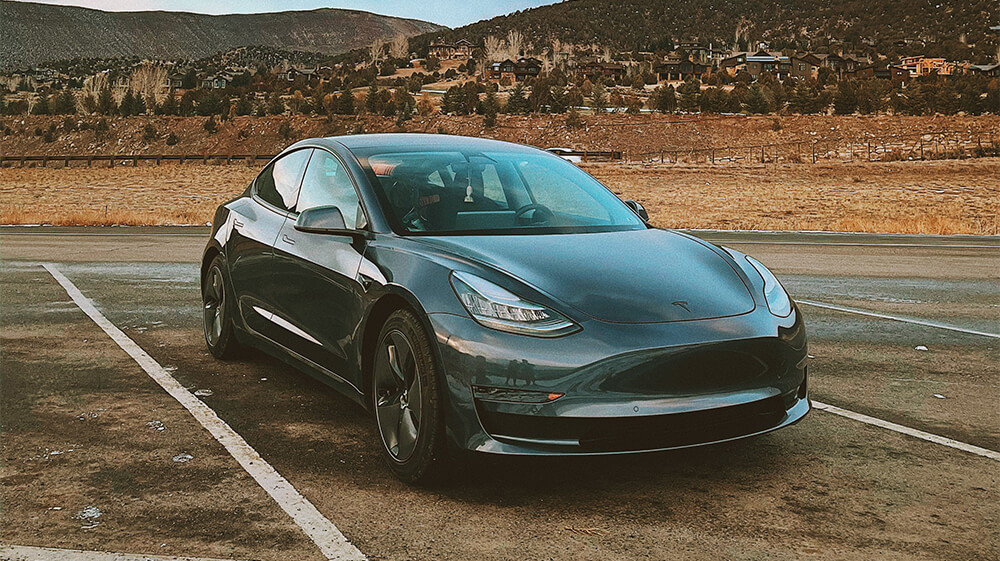
Is it OK to sell your Tesla just like any other car? Can you sell your Tesla privately? What does transferring ownership of a Tesla even look like?
In our increasingly digital age, and with subscription-based models showing up everywhere, whether or not you really own your Tesla—or if you’re just a user in this brave new EV world—is a fair question.
The short answer is yes: if you own your Tesla, you can generally sell it privately. But there are a few Tesla-specific things sellers need to understand before handing over the keys, especially around ownership transfer, software, subscriptions, reservations, leases, payment safety, and title transfer.
Quick disclaimer: We are not Tesla, and this article is for general information only. Tesla policies, app workflows, reservation terms, lease options, software transfer rules, and state title requirements can change. This is not legal, tax, financial, or transaction advice. Before selling, buying, transferring ownership, accepting payment, or signing anything, check your actual Tesla account, Tesla app, purchase agreement, lease agreement, title documents, state DMV rules, and any payment/title-transfer service terms that apply to your deal. If you sell privately, be sure to do your own due diligence on the buyer, vehicle payoff, title status, payment method, and transfer steps. To reduce scam and payment risk, we strongly recommend using KeySavvy.com for payment handling, title transfer, and related paperwork.
To help you get a clearer picture of what you own when you buy a Tesla, or when you’re looking to sell your Tesla, we’ve put together this short informational piece below. This covers some information about what you may or may not own on your Tesla, what you can expect when you try to sell, and how to make the private-sale process safer.
Before We Dive In…
The EV market has changed a lot since the 2021-2022 supply-chain mess. Back then, some people were flipping Teslas and other EVs for profit because new-car inventory was tight, delivery windows were long, and used EV prices were unusually high.
That is not the normal market anymore. Used Tesla values have come down, new-vehicle availability is much better, and flipping a Tesla for easy profit is no longer the play it once was. In 2026, selling a Tesla privately is less about “flipping” and more about getting a fair market price while avoiding payment, title, software, and ownership-transfer headaches.
That said, resale restrictions can still matter in specific situations. Tesla reservations are not something you can freely sell or assign, and Tesla has used resale-restriction language in some vehicle purchase agreements before, most notably around early Cybertruck Foundation Series orders. The practical takeaway is simple: if you are selling a Tesla you already own, that is very different from trying to sell a reservation, an order spot, or a vehicle that may still be subject to specific purchase-agreement restrictions.
Before listing a very new or limited-release Tesla, read your actual purchase agreement. If the paperwork has resale restrictions, first-refusal language, penalties, or other conditions, don’t guess. Get the answer from the documents you signed and, if needed, from a qualified attorney.
Do I Own My Tesla?
With all the subscription services, software upgrades, and Robotaxi talk around Tesla, it’s easy to see why ownership can feel confusing. After all, didn’t Elon tell us that our Teslas might one day make us money by joining “the Tesla shared fleet” while we are at home? So who really owns the car, you or Tesla?
The answer: if you bought the car and hold title, you own your Tesla. That generally means you can sell your Tesla privately, sell it to a dealership, or trade it in. If you lease the car, that’s different. In that case, you do not own the vehicle, and your options depend on the lease agreement and lessor rules.
What about your Tesla’s software? Do you own your Full Self-Driving package? Who owns your Free Supercharging perks?
The short answer: it depends. Ownership and transfer of Tesla’s software and perks can be complicated. Some features generally stay with the car, some benefits are tied to the Tesla account, and some subscriptions end when ownership is transferred. For more info, check out our blog posts on Full Self-Driving transfer and transferable Free Supercharging.
Can I Sell My Tesla Back to Tesla?
Yes, but usually only in the context of a trade-in. Tesla’s trade-in process is designed to apply the value of your current vehicle toward a new or pre-owned Tesla purchase. That’s different from Tesla simply buying your used Tesla for cash as a standalone transaction.
Trading in to Tesla can be convenient. The transaction happens in one flow, your trade-in is handled around delivery, and some states offer sales-tax advantages when you trade in a vehicle. But convenience and maximum value are not always the same thing.
For a deeper look at how Tesla trade-ins work, accepted vehicles, title rules, trade-in timing, and pros/cons, check out our full guide to trading in to Tesla. For this article, the key point is simple: trading back to Tesla is an option, but it is not the only way to sell your Tesla, and it may not be the highest-value route.
Can I Sell My Tesla to a Dealership?
Yes, you generally can sell your Tesla to a dealership. Confusion about whether this is possible stems from the widely publicized fact that Tesla doesn’t sell new vehicles through franchise dealerships; they sell directly to consumers, not via the traditional dealership model. But once a Tesla is on the used market, a dealership is generally free to buy and resell it just like a private party can.
The catch is that not every dealership understands EVs. Some general used-car dealers may not know how to value Full Self-Driving, Enhanced Autopilot, battery size, charging history, Free Unlimited Supercharging, seating configuration, Cybertruck trim differences, or other Tesla-specific details.
For the best dealership experience, ask how often the dealer buys and sells Teslas and other EVs. Or, to save yourself the trouble, you can request an EV Cash Offer from our EV dealership network. We’ve made sure that each dealer understands Tesla features, options, and perks, and how those details can affect market value.
Can I Sell a Leased Tesla?
Maybe, but don’t assume. If you lease your Tesla, you generally do not own it, which means you cannot simply sell it privately the same way you would sell a Tesla with a title in your name.
Your options depend on the lease agreement, the lessor, your state, and Tesla’s current lease-end rules. Some Tesla lease situations may allow a lease buyout or third-party purchase, while others may not. Third-party lessors may also have different rules from Tesla.
Before trying to sell a leased Tesla, check your lease agreement and the lease section of your Tesla app. If a buyout is available and financially makes sense, you may be able to buy the vehicle first and then sell it. If a buyout is not available, you may need to return the vehicle, transfer the lease if allowed, or follow the lessor’s early-termination process instead.
This is an area where policies have changed before, so don’t rely on old forum posts or old articles. Use your actual lease documents and the current options shown in your Tesla app.
Can I Sell My Tesla Reservation?
Simply put: NO, you should not assume you can sell your Tesla reservation or give it to someone else.
Tesla reservation agreements have historically said that reservations are not transferable or assignable without Tesla’s prior written approval. That means selling a reservation, selling an order spot, or trying to work around Tesla’s reservation system can create problems.
Yes, some people have tried to sell or trade reservations in the past. That doesn’t make it a good idea. Selling a Tesla reservation goes against the intended use of the reservation system, and Tesla may cancel the reservation if they determine that a transfer or attempted resale violates the agreement.
We do not allow Tesla reservations to be sold on Find My Electric at all. Ever. If you want to sell on our site, you need to be selling an actual vehicle you own or are legally able to sell, not a reservation, order spot, or future delivery position.
Can Tesla Stop Me From Reselling My Tesla?
For a normal used Tesla that you own outright, private resale is generally allowed. However, there have been specific situations where Tesla purchase agreements reportedly included resale restrictions, especially during the early Cybertruck Foundation Series rollout.
Those Cybertruck resale restrictions were aimed at limiting immediate flipping during a high-demand launch period. The details, enforceability, and current status of any resale restriction depend on the specific agreement and circumstances.
The safe rule: read the paperwork you signed. If your Tesla was a very early, limited, Foundation Series, special-edition, or otherwise restricted purchase, check the purchase agreement before listing it for sale. If the agreement says you need Tesla’s permission, gives Tesla a right of first refusal, imposes a fee, or limits resale during a certain period, take that seriously and get proper advice before proceeding.
For most everyday used Tesla sales, this won’t be an issue. But it’s worth mentioning because the blanket statement “Tesla never restricts resale” is no longer careful enough.
Can I Sell My Tesla Privately?
Yes. If you own your Tesla and are not restricted by a lease, lien issue, title problem, purchase agreement, or other transaction-specific limitation, you can sell your Tesla privately.
That said, selling a Tesla privately is not exactly the same as selling an old Toyota Camry. Most Camrys don’t store software settings, payment methods, phone keys, home addresses, garage codes, streaming logins, driver profiles, charging history, or account-linked subscriptions.
A private Tesla sale can be a great way to potentially get more money than a trade-in, but it also puts more responsibility on you. You need to handle buyer screening, payment, title transfer, lien payoff if applicable, Tesla ownership transfer, personal data removal, and documentation.
This is where due diligence matters. Do not hand over the vehicle until you are confident payment is real, title transfer is handled correctly, and your personal Tesla account access is removed. Do not rely on screenshots, rushed stories, cashier’s checks you have not verified, or buyers who want unusual payment arrangements. Never, ever, send overpayment differences or refunds to a buyer. Be careful. Trust your gut, if something feels off, it probably is.
How to Make a Private Tesla Sale Safer
For safer private-party payment and title transfer, we strongly recommend using KeySavvy. KeySavvy is built specifically for private-party vehicle transactions and can help with payment collection, seller payout, title verification, loan payoff, and title transfer. It’s not mandatory, but for many private Tesla transactions, especially ones involving a lien or an out-of-state buyer, it can remove a lot of the sketchiest parts of the process.
We still recommend doing your own due diligence and reading KeySavvy’s terms. But compared to other options, KeySavvy gives both sides a safer way to handle the money, title, payoff, and paperwork.
How to Remove Your Personal Information From Your Tesla
You’ll want to remove your personal info and let Tesla know that you no longer own your Tesla after a sale. After all, why should your buyer have access to your home address, music accounts, driver profile, phone keys, garage opener, or Supercharger billing?
Before removing the car from your Tesla account, perform a factory reset from the vehicle. In most current Tesla vehicles, that path is:
Controls -> Service -> Factory Reset
Tesla may ask you to verify your Tesla account credentials before completing the reset. This should erase personal data and restore the car closer to factory settings.
Important: Tesla notes that you cannot perform a factory reset once the vehicle has been removed from your account. So do the factory reset first, then remove or transfer ownership.
To remove or transfer ownership in the Tesla app, open the app and use the vehicle ownership tools. Tesla’s current flow is generally:
Tesla app -> Menu -> My Products -> Select Vehicle -> Remove or Transfer Ownership
Once ownership transfer is complete, the new owner should be able to access Tesla app features for that vehicle, including vehicle controls and payment-method management. Tesla says the ownership transfer process may take up to 48 hours. Paid subscriptions, account-tied benefits, Supercharging credits, and some upgrades or perks may not transfer.
Do not transfer ownership to a buyer until the sale is actually complete. Treat Tesla app ownership transfer like handing over the digital keys.
What Happens to FSD, Free Supercharging, Premium Connectivity, and Other Perks?
This is one of the most important Tesla-specific private-sale issues. A buyer may ask whether your car has Full Self-Driving, Enhanced Autopilot, Free Unlimited Supercharging, Premium Connectivity, Acceleration Boost, or other paid upgrades.
Don’t guess. Confirm what is active on the vehicle, take screenshots where appropriate, and be careful about promising transferability unless you know the answer.
Some paid vehicle features may stay with the car. Some subscriptions and account-tied benefits may not. Some legacy perks, like certain early transferable Free Unlimited Supercharging arrangements, require extra diligence. Tesla can also change policies over time, and the answer may depend on how the vehicle was originally sold, whether Tesla has owned it since, and how the ownership transfer happens.
For deeper dives, see our guides on whether FSD transfers when you sell a Tesla and whether Free Supercharging transfers.
Private Sale vs Trade-In vs Dealer Offer
So what’s the best way to sell your Tesla?
It depends on what you care about most.
- Private sale may get you a higher price, but it requires more work and more transaction diligence.
- Trading in to Tesla can be convenient, especially if you are buying another Tesla, but it may not produce the highest offer.
- Selling to a Tesla-informed dealer can be a middle ground: less hassle than private sale, potentially better EV-specific valuation than a general dealer or trade-in.
The best move is may be to compare all three. Get your private-sale listing ready, check what Tesla or other trade-in channels might offer, and get an EV dealer cash offer. Then decide what’s best for you.
Where Can I Sell My Tesla?
Since you now know that selling a Tesla privately is doable, where should you go to find a buyer?
If you’ve made it this far in the article, congrats, since you’re already in a great place to list your used Tesla for sale! You can create a listing for your Tesla right here on Find My Electric. Whether you’re selling a Model S, Model 3, Model X, Model Y, Cybertruck, or Roadster, we’ve done the heavy lifting by creating an EV-friendly listing service built for EV buyers and sellers.
Best of all? You can even list for free. Create your listing and put your Tesla on an EV-focused marketplace.
Earlier we said you could request an EV Cash Offer for your Tesla from our network of EV dealers, but did you know that you can create a listing AND request a cash offer on your Tesla at the same time?
It’s true. Same account, same info, two different ways to sell your Tesla. Register now to create your Tesla listing and request an EV Cash Offer all in one go.