
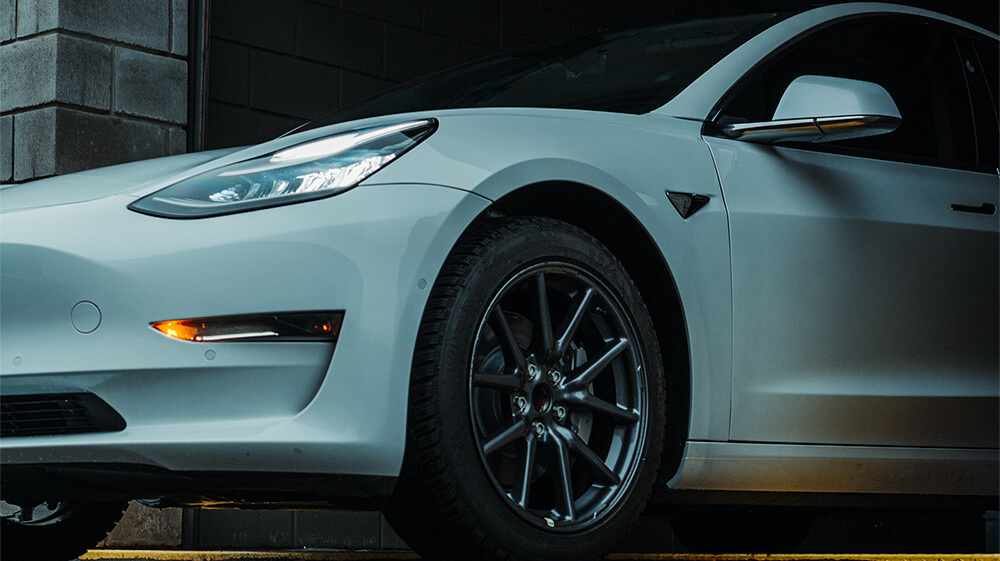
Tesla trade-in values have changed a lot since the wild 2021-2023 used EV supply chain disruption market. Tesla price cuts, more used EV inventory, the end of the federal EV tax credit, changing demand, and a much larger used Tesla market have all pushed used Tesla values into a more normal place.
If you own a Tesla and are thinking about selling, trading, or getting a cash offer, you might be wondering: how much is my Tesla worth as a trade-in in 2026?
In a previous blog post about Tesla trade-ins, we covered Tesla’s actual trade-in process, accepted vehicles, title rules, and general pros and cons. This article is different. We’re focused on the numbers: estimated used Tesla trade-in values by model and year, what can push a trade-in or dealer offer higher or lower, and how those numbers compare with private-party value.
Quick disclaimer: We are not Tesla, and used Tesla trade-in values can change quickly based on market conditions, vehicle history, mileage, configuration, region, title status, software status, buyer demand, and each buyer’s own valuation process. The numbers below are general 2026 estimates for informational purposes only, not guaranteed offers or appraisals. To see what your specific Tesla is worth, compare multiple offers, review any actual paperwork tied to your transaction, and do your own due diligence before buying, selling, or trading.
How Are Used Tesla Trade-In Values Calculated?
Used Tesla trade-in value is based on what a buyer thinks the car is worth today, minus risk, reconditioning, resale margin, and market movement. That buyer might be Tesla, a general dealership, an EV dealer, an online car buyer, or another wholesale-style buyer.
That means two Teslas from the same model year can receive very different offers. Trim, battery, drivetrain, color, wheels, seating layout, mileage, accident history, title status, software status, warranty status, regional demand, and current inventory all matter.
A basic way to look at used Tesla trade-in value is this: the newer, cleaner, lower-mileage, closer-to-stock, and more desirable your Tesla is, the stronger its trade-in value should be. A high-mileage older Model S with accident history and aftermarket modifications is going to be treated very differently than a low-mileage late-model Model Y Long Range in clean stock condition.
One important note: this article is not trying to predict only what Tesla will pay if you trade your car directly back to Tesla. Tesla has its own trade-in process and valuation rules, and we covered that in our separate Tesla trade-in post. The estimates below are broader used Tesla trade-in-style values: the kind of ranges you might see when comparing Tesla, EV-informed dealers, instant cash offers, and other trade-in/cash-offer options.
Software and Tesla-specific features can also affect value, but not every buyer values them the same way. Enhanced Autopilot, Full Self-Driving status, transferable Free Unlimited Supercharging, seating configuration, wheel package, battery type, warranty status, and rare colors may matter more to a Tesla-focused buyer than to a general dealer or wholesale buyer.
Note: to keep things simpler, we’re leaving the original Tesla Roadster out of these estimates.
Estimated Used Tesla Trade-In Value Snapshot for 2026
The numbers below are estimated trade-in-style values for average-condition vehicles with normal mileage for their model year. They are not private-party sale values, retail asking prices, or guaranteed offers from Tesla or anyone else. A very clean, low-mileage car may beat these ranges. A high-mileage car, branded-title car, damaged car, modified car, or car with accident history may land below them.
Also, because Tesla has discontinued the Model S and Model X, late 2025 and 2026 S/X values can be a little weird. Final-run vehicles, Signature Series cars, rare builds, or unusually low-mileage examples may sit well above normal trade-in logic.
Tesla Model S Trade-In Value (Estimated)
As of 2026, estimated Tesla Model S trade-in values can range from around $8,000 to $115,000+, depending on model year, mileage, condition, battery, drivetrain, title status, and whether the car is a late-run or Signature Series example.
The Model S has the widest value spread of any Tesla passenger car because it goes all the way back to the early 2010s and includes everything from older rear-wheel-drive cars to Plaid and final-run Signature Series builds.
Model S Year |
Estimated Low Trade-In Value |
Estimated High Trade-In Value |
|---|---|---|
| 2014-2016 | $8,000 | $20,000 |
| 2017-2018 | $13,000 | $28,000 |
| 2019 | $20,000 | $34,000 |
| 2020 | $25,000 | $38,000 |
| 2021 | $31,000 | $48,000 |
| 2022 | $38,000 | $57,000 |
| 2023 | $43,000 | $67,000 |
| 2024 | $50,000 | $77,000 |
| 2025 | $58,000 | $88,000 |
| 2026 | $70,000 | $115,000+ |
For older Model S vehicles, battery health, air suspension condition, MCU history, door handle repairs, and whether the car has transferable Free Unlimited Supercharging can all matter. For newer Model S vehicles, Plaid status, mileage, wheels, steering setup, interior, accident history, FSD status, and final-run rarity become bigger value drivers.
Tesla Model 3 Trade-In Value (Estimated)
As of 2026, estimated Tesla Model 3 trade-in values can range from around $9,000 to $47,000, depending on year, mileage, trim, condition, battery type, title status, and market demand.
The Model 3 is one of the most liquid used Teslas, which is good and bad. There are a lot of buyers, but there is also a lot of supply. Older Model 3s have become much more affordable, while newer refreshed Model 3s and Performance trims still hold stronger values.
Model 3 Year |
Estimated Low Trade-In Value |
Estimated High Trade-In Value |
|---|---|---|
| 2017 | $9,000 | $15,000 |
| 2018 | $11,000 | $18,000 |
| 2019 | $13,000 | $21,000 |
| 2020 | $15,000 | $24,000 |
| 2021 | $17,000 | $27,000 |
| 2022 | $19,000 | $31,000 |
| 2023 | $22,000 | $35,000 |
| 2024 | $25,000 | $39,000 |
| 2025 | $27,000 | $44,000 |
| 2026 | $30,000 | $47,000 |
For Model 3 trade-in value, trim matters a lot. A base RWD car with higher mileage and basic options will usually land near the low end. Long Range AWD, Performance, newer Highland/refreshed builds, clean history, low mileage, and desirable colors can push the offer higher.
Tesla Model X Trade-In Value (Estimated)
As of 2026, estimated Tesla Model X trade-in values can range from around $18,000 to $125,000+, depending on year, mileage, condition, battery, seating layout, trim, title status, and final-run rarity.
Model X values can be harder to generalize than Model 3 or Model Y values because configuration matters so much. Six-seat layouts, seven-seat layouts, Plaid, late refresh, low-mileage examples, and final-run vehicles can all change the number quickly.
Model X Year |
Estimated Low Trade-In Value |
Estimated High Trade-In Value |
|---|---|---|
| 2016-2017 | $18,000 | $32,000 |
| 2018 | $23,000 | $36,000 |
| 2019 | $28,000 | $45,000 |
| 2020 | $33,000 | $50,000 |
| 2021 | $38,000 | $58,000 |
| 2022 | $46,000 | $68,000 |
| 2023 | $52,000 | $78,000 |
| 2024 | $60,000 | $88,000 |
| 2025 | $68,000 | $98,000 |
| 2026 | $75,000 | $125,000+ |
For earlier Model X vehicles, falcon-wing door function, suspension, MCU history, seating configuration, and general repair history can affect value. For late Model X builds, Plaid status, low mileage, interior layout, wheels, FSD status, and whether the car is part of the final production run can push values higher.
Tesla Model Y Trade-In Value (Estimated)
As of 2026, estimated Tesla Model Y trade-in values can range from around $18,000 to $53,000, depending on year, trim, mileage, seating configuration, condition, and market demand.
The Model Y is one of the strongest used Tesla sellers because it hits the crossover/SUV sweet spot. It also has a large supply pool, so trade-in values are more sensitive to Tesla’s current new-car pricing, inventory discounts, refresh timing, and how many similar used Model Ys are on the market.
Model Y Year |
Estimated Low Trade-In Value |
Estimated High Trade-In Value |
|---|---|---|
| 2020 | $18,000 | $28,000 |
| 2021 | $20,000 | $31,000 |
| 2022 | $23,000 | $35,000 |
| 2023 | $25,000 | $39,000 |
| 2024 | $28,000 | $43,000 |
| 2025 | $31,000 | $47,000 |
| 2026 | $34,000 | $53,000 |
Long Range AWD and Performance models generally sit above base/RWD examples. Seven-seat configuration may help with the right buyer, but it does not always translate into a dollar-for-dollar trade-in premium. Low mileage, clean condition, current warranty coverage, and desirable colors or wheels can help.
Tesla Cybertruck Trade-In Value (Estimated)
Cybertruck trade-in values are still harder to pin down than Tesla’s older models because the truck is new, trim mix is unusual, and used-market demand has shifted quickly. They can range from approximately $58,000 to $94,000. As of 2026, Tesla Cybertruck trade-in values can vary widely depending on whether the vehicle is a Foundation Series, All-Wheel Drive, or Cyberbeast, along with mileage, condition, title status, and current Tesla inventory.
Because the Cybertruck is still relatively new, these estimates should be treated as especially rough. Early trucks with low mileage and desirable configurations may still perform well, but values can move quickly as production, inventory, and new-truck pricing change.
Cybertruck Year |
Estimated Low Trade-In Value |
Estimated High Trade-In Value |
|---|---|---|
| 2024 | $58,000 | $80,000 |
| 2025 | $60,000 | $92,000 |
| 2026 | $67,000 | $94,000 |
Cybertruck valuation is also more sensitive to condition than many people expect. Stainless exterior condition, panel damage, wheel/tire setup, mileage, repair history, PCS/charging-related repairs, and whether the truck has any branded-title or accident history can all affect value.
How Long Are Tesla Trade-In Values Good For?
Used Tesla values can move quickly. A trade-in value that looks reasonable today may look high or low a month from now if Tesla changes new-car pricing, used inventory rises, demand shifts, or comparable vehicles start selling for less.
If you are trading directly to Tesla, Tesla says final trade-in offers expire after 30 days or 1,000 miles, whichever comes first. Other dealers, online buyers, and cash offer programs may use different timelines, but the general idea is the same: an offer is tied to the vehicle’s current mileage, condition, and market value.
Because of that, it may be smart to compare offers close to the time you actually plan to sell your Tesla or trade it in. If your mileage increases, the car gets damaged, a new model refresh launches, or Tesla drops prices, your trade-in value can change.
Known Factors That Can Reduce Used Tesla Trade-In Value
We know of several factors, beyond the usual age, condition, and mileage, that can reduce used Tesla trade-in value or make a dealer/cash offer potentially lower.
Accident History, Title Issues, and Vehicle History
Accident history, branded titles, odometer issues, title problems, prior damage, and unresolved mechanical issues can all reduce trade-in value. Some buyers will still purchase branded-title Teslas, but values are usually significantly lower, and buyer eligibility rules vary. Tesla vehicles with salvage, rebuilt, lemon, junk, recycled, or not-actual-mileage branded titles are not eligible for trade-in through Tesla. EVs with bad vehicle history reports tend to be more sensitive on price than gas-powered vehicles.
Mileage
Mileage still matters, even on an EV. A 2021 Model 3 with 25,000 miles and a 2021 Model 3 with 110,000 miles are not going to receive the same trade-in offer. Higher mileage usually means a lower trade-in value, even if the battery and drive unit still seem healthy.
Aftermarket Modifications
Aftermarket modifications can help or hurt depending on the buyer, but for trade-in-style offers they often complicate value. Wraps, aftermarket wheels, lowered suspension, non-factory body modifications, or unusual interior changes may reduce the pool of buyers willing to pay up for the car. Tesla also says aftermarket vehicle modifications typically have a negative effect on its trade-in valuations and that trade-in vehicles are best kept in stock or original condition. As has been the case for a long time with gas vehicles, people typically only recoup a fraction of the money they put into various mods.
Software and Tesla-Specific Features
Software and Tesla-specific features can be tricky. Some buyers may value Enhanced Autopilot, legacy paid-in-full FSD, transferable Free Unlimited Supercharging, special seating layouts, or rare configurations more than others. Tesla currently says Enhanced Autopilot is taken into account when evaluating a trade-in, and FSD (Supervised) is included if you are not transferring FSD to a new vehicle. However, that does not mean every buyer will value those features the same way.
That distinction matters most for vehicles with legacy paid-in-full FSD, Enhanced Autopilot, transferable Free Unlimited Supercharging, rare seating layouts, desirable wheels, special colors, or other Tesla-specific details that may be easier to advertise and explain in a Tesla-focused marketplace.
Current Tesla Pricing and Inventory
Tesla’s trade-in values are influenced by current market conditions. If Tesla drops new-car prices, discounts inventory, changes trim packaging, or releases a refreshed model, used Tesla values can move quickly. This is especially true for the Model 3 and Model Y, where new inventory pricing can directly affect used-market demand.
Used Tesla Trade-In Value vs Private Sale Value
So are Tesla trade-in values good? Sometimes a trade-in or cash offer may be close enough that the convenience is worth it. If your state offers a meaningful sales tax credit, your offer is competitive, and you want the simplest transaction, trading in can make sense.
However, trade-in-style offers are may be lower than what you can get from a private buyer, especially if your Tesla has low mileage, paid software, transferable perks, strong warranty coverage, a rare configuration, or a desirable trim. The trade-off is effort: private sale may take longer, require more buyer communication, and may be less convenient than accepting a dealer or trade-in offer.
Sales tax credit can also change the math. In some states, your trade-in value reduces the taxable purchase price of your next vehicle. In other states, the rules are different or the benefit may not apply the same way. Always run the numbers using your own state’s rules to see how things look for your specific situation.
An Alternative to Trading in Your Tesla: Request an EV Cash Offer or List on Find My Electric
A good offer and convenience aren’t mutually exclusive. That’s why we created our EV Cash Offer program: to request an offer from EV-informed dealers.
Our EV dealership partners understand EVs and Teslas, including Tesla-specific software, charging perks, battery details, trim differences, and configuration quirks. That can matter when you’re selling a Tesla with FSD, Enhanced Autopilot, Free Unlimited Supercharging, special wheels, low mileage, or an unusual configuration.
Just like Tesla’s trade-in estimate, the cash offer our trusted dealerships make isn’t binding. There’s no obligation to accept any offer. Even the inspection is convenient; whenever possible, inspections are done virtually so you can get your car inspected from the comfort of your own home.
Check out our EV Cash Offer to see what our trusted EV dealer partners might offer for your Tesla.
Not interested in dealerships, but want to try your hand at selling your used Tesla yourself?
Create a listing for your Tesla and sell it on Find My Electric. Put your used Tesla up for sale on an EV-focused marketplace where gas cars aren’t allowed! It only takes a few minutes to build your ad!